-p-500.png)
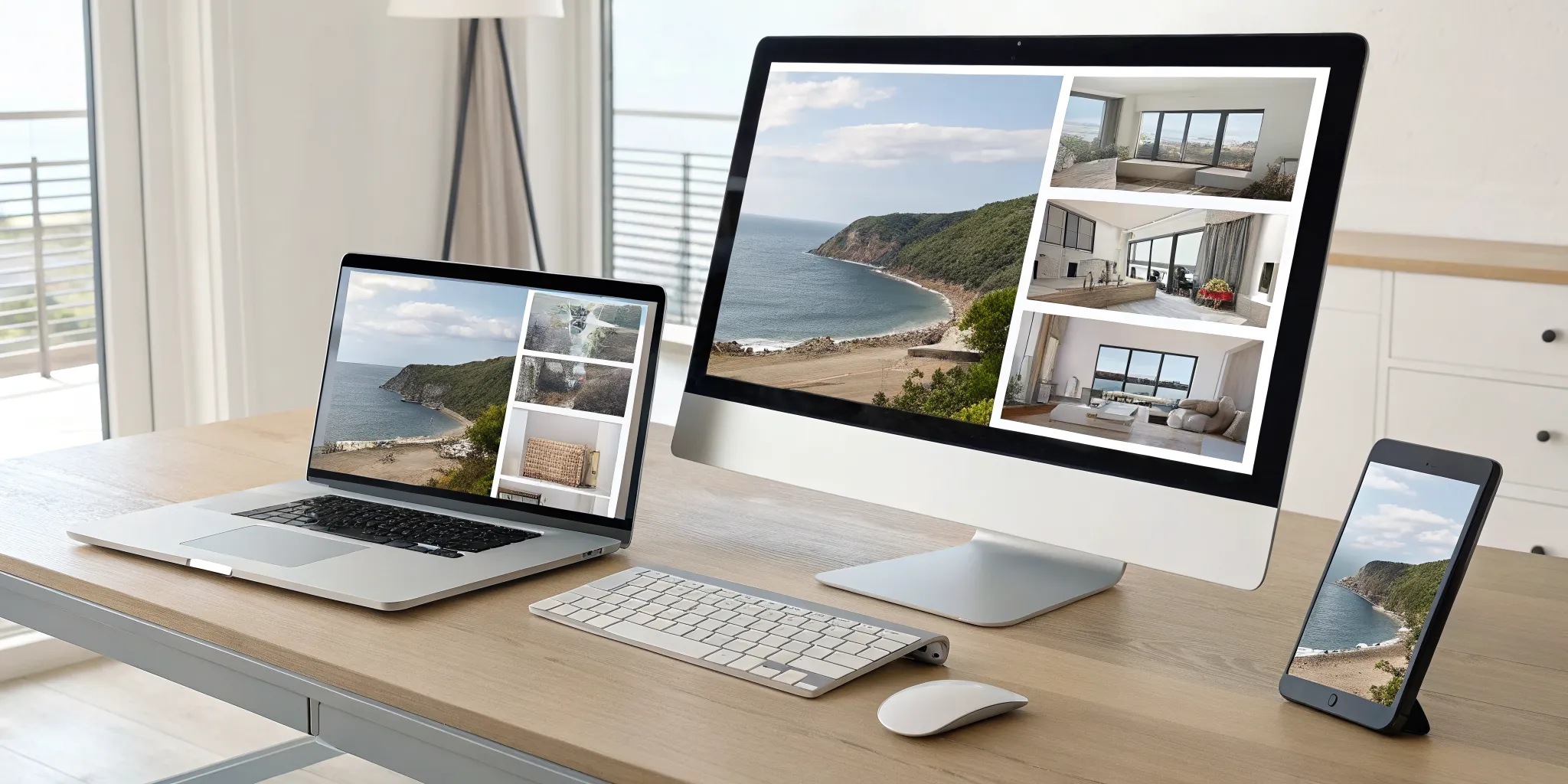

How do you hand off keys when you're not there? Who ensures the property is spotless for every new guest? These are the practical questions that stop many owners from successfully renting their properties from afar. The answer lies in building a solid foundation of technology and a reliable local team. This isn't just a list of tips; it's a complete blueprint for how to manage a VRBO property remotely. We’ll walk you through creating a virtual command center with smart locks, pricing tools, and management software that automates the hard parts, so you can focus on the rewarding aspects of ownership.
Key Takeaways
- Automate Your Workflow with a Smart Tech Stack: Use property management software, smart locks, and dynamic pricing tools to handle the heavy lifting. This automates everything from guest check-ins to calendar syncing, saving you time and preventing costly errors like double bookings.
- Assemble a Trustworthy Local Team: Your remote operation is only as strong as your on-the-ground support. Find and vet a reliable cleaning crew and a go-to handyman who can act as your eyes and ears, ensuring your property is always guest-ready and that emergencies are handled quickly.
- Create a Five-Star Experience from Anywhere: Deliver exceptional hospitality by using automated message templates and a digital guidebook to provide guests with timely information. This proactive approach makes guests feel cared for and reduces your workload, but if you prefer a hands-off approach, a property manager can handle all guest relations for you.
How to Manage a VRBO Property Remotely
So, you have a property in sunny Southern California, but you live hours away, or even in another state. The good news is, you absolutely can manage a vacation rental remotely. In fact, many investors and homeowners do it every day. The secret isn't about being constantly tied to your phone; it's about setting up smart, efficient systems that do the heavy lifting for you. By putting the right processes and people in place, you can create a rental that runs smoothly, delights guests, and generates income without demanding all of your time and attention. Let's get into how you can make that happen.
Overcome Common Remote Management Challenges
Let’s be real: managing a rental property by yourself can feel like a second full-time job. When you’re not physically there, small worries can feel huge. How do you handle a late-night guest lockout? Who will fix a leaky faucet? How do you ensure the place is spotless for every arrival? These are the common hurdles of remote management. Some owners try to solve this by hiring a local manager but find they lose direct access to their own booking data, which can be frustrating. The key is to anticipate these issues and build a support structure that gives you both peace of mind and control over your investment.
Why the Right Systems Are Your Foundation
Your foundation for successful remote management is technology. The right property management software can completely change the game, turning a chaotic process into a streamlined operation. This software acts as your central command center, allowing you to manage calendars across different booking sites like VRBO and Airbnb, automate guest messages, and keep all your information in one place. Instead of manually updating everything, you let the system handle repetitive tasks. This not only saves you countless hours but also reduces errors, improves the guest experience, and ultimately helps you secure more bookings for your property.
Build Your Remote VRBO Tech Stack
Managing a property from afar might sound daunting, but the right technology acts as your eyes, ears, and hands on the ground. Think of it as building a virtual command center for your rental. A solid tech stack doesn't just make remote management possible; it makes it efficient and profitable. By automating key tasks, you free yourself from the day-to-day minutiae and gain the peace of mind that your property and guests are well cared for.
This isn't about buying every gadget on the market. It's about strategically choosing tools that solve the biggest remote management challenges: guest access, security, energy costs, and operational efficiency. These systems work together to protect your investment, streamline your workflow, and create a seamless experience for your guests. Let's walk through the essential components you'll need to build a powerful remote management toolkit.
Smart Locks and Keyless Entry
The first step to modernizing your remote rental is to ditch the physical keys. Installing a smart lock is one of the best investments you can make. These keyless entry systems allow you to grant access to guests, cleaners, and maintenance staff remotely. You can generate a unique access code for each guest that is only active for the duration of their stay, which automatically enhances security. This eliminates the risk of lost keys and the headache of coordinating in-person key handoffs. For guests, it means a smooth, hassle-free check-in, setting a positive tone from the moment they arrive.
Security Cameras and Noise Monitors
When you're miles away, knowing your property is secure is invaluable. Exterior security cameras are a must for monitoring your property's entry points, like the front door or driveway. Just be sure to disclose their presence in your listing to maintain transparency with guests. For interior peace of mind without invading privacy, consider a noise monitoring device. These smart gadgets don't record conversations; they simply measure decibel levels. If the volume exceeds a preset threshold, you'll receive an alert on your phone, allowing you to proactively address a potential party before it gets out of hand.
Smart Thermostats for Energy Management
We've all seen it: a guest checks out, leaving the air conditioning blasting in an empty house. Utility costs can quickly eat into your profits, but a smart thermostat puts you back in control. These devices allow you to monitor and adjust the temperature remotely from your phone. You can set schedules to save energy between stays or create temperature rules to prevent extreme usage. A smart thermostat not only saves you money on electricity bills but also ensures the property is at a comfortable temperature when your next guest arrives, contributing to a welcoming atmosphere.
Property Management Software for Bookings
As you list your property on VRBO and potentially other sites like Airbnb, juggling calendars can become a complex and stressful task. This is where a good property management system (PMS) becomes essential. This software acts as your central hub, syncing your booking calendars across all platforms to prevent dreaded double bookings. A PMS can also streamline operations by automating guest messaging, coordinating cleaning schedules, and consolidating your financials in one place. It’s the key to managing your rental efficiently without being glued to your computer 24/7.
Dynamic Pricing and Calendar Tools
Leaving your rental rates static year-round is a common mistake that costs owners thousands in potential income. Your pricing should adapt to real-time market conditions. Dynamic pricing tools are designed to do this for you automatically. These platforms analyze local demand, seasonality, holidays, and even what your competitors are charging to adjust your rates daily. By using a dynamic pricing strategy, you can ensure you're maximizing revenue during peak season and attracting bookings with competitive rates during slower periods, all without lifting a finger.
Create a 5-Star Guest Experience From Afar
Just because you’re managing your property from a distance doesn’t mean you can’t be a top-tier host. In fact, with the right systems in place, you can deliver a seamless and thoughtful experience that earns glowing reviews. The secret is to anticipate your guests' needs and use technology to provide clear, consistent, and timely information. By automating routine communication and offering easy access to important details, you free yourself up to handle the unexpected while making every guest feel personally cared for. It’s all about creating a framework that works for you, so your property can run smoothly without you needing to be there.
Automate Guest Communication with Templates
Think of templates as your personal hosting assistant. Creating a set of pre-written messages for the key stages of a guest’s stay saves you an incredible amount of time and ensures no detail is missed. You can craft messages for booking confirmations, pre-arrival reminders, check-in instructions, mid-stay check-ins, and post-stay thank-yous. Be sure to include answers to common questions in these templates, like the Wi-Fi password, parking details, and trash disposal instructions. This proactive approach makes guests feel well-informed and reduces the number of one-off questions you have to answer, allowing you to focus on providing a truly exceptional stay.
Map Out Your Messaging Sequence
Once you have your templates, the next step is to map out when each message gets sent. This creates a logical and helpful communication flow throughout the guest’s journey. For example, you can schedule a welcome message with check-in instructions to send 24 hours before arrival and a friendly "hope you're settling in well" note the morning after they arrive. Most property management software and booking platforms allow you to automate these tasks, so the right information reaches your guests at the perfect time without you lifting a finger. This automated sequence shows you’re an attentive host who is on top of every detail.
Offer a Digital Guidebook and Self-Check-In
A smooth arrival sets the tone for the entire stay. Installing a smart lock is one of the best investments for a remote host, as it allows for secure, keyless self-check-in. You can assign each guest a unique code that activates at check-in and expires at checkout. Pair this with a comprehensive digital guide that guests can access on their phones. This guide should include everything from house rules and appliance instructions to your favorite local coffee shops and restaurants. Providing these thoughtful recommendations makes guests feel like insiders and showcases the unique charm of your property’s location, just like at our Vibrant SoCal Venice Beach Retreat.
Master Remote Communication Best Practices
While automation is fantastic, it can’t replace the human touch entirely. Good communication is still the heart of hospitality, and guests need to know a real person is available if they run into an issue. Make it a priority to respond to booking inquiries and questions promptly, ideally within a few hours. During a guest's stay, be accessible to help with any problems that arise. This level of responsiveness builds trust and shows guests you’re committed to their comfort. If being on-call feels like too much, this is often when owners decide to partner with a dedicated property management team to handle guest relations for them.
Keep Your Property Sparkling From Miles Away
A spotless, well-maintained property is the cornerstone of a five-star guest review. When you’re managing your VRBO from a distance, you can’t just pop over to fix a leaky faucet or check if the cleaners did a thorough job. This is where having a solid system and a reliable team becomes non-negotiable. Your property’s condition directly impacts guest satisfaction, which in turn affects your reviews, booking rate, and ultimately, your income.
Think of your property's upkeep as an investment in your business's reputation. A sparkling clean space like a Stunning Hollywood Hills Oasis tells guests you care about their comfort and experience. It builds trust before they even unpack their bags. By setting up proactive maintenance schedules and clear cleaning protocols, you can ensure your property stays in pristine condition, turnover after turnover, without you ever having to be there in person. It’s all about creating a seamless operation that keeps your rental looking its best and your guests feeling happy.
Find and Vet a Reliable Cleaning Team
Your cleaning team is your most important partner in remote management. They are your eyes and ears on the ground, and their work is the first thing a guest notices upon arrival. Since "cleanliness is always one of the top priorities for guests," hiring a top-notch service is essential. Start by asking for referrals from other local hosts or real estate agents who understand the market.
Once you have a few candidates, vet them thoroughly. Ask about their experience with vacation rentals, which have different demands than residential cleaning. Check their references and read their online reviews. A great cleaning partner doesn't just clean; they can also report damages, note low inventory on supplies, and give you a heads-up on any potential issues they spot. This partnership is your secret weapon for maintaining a high-quality property from afar.
Create a Foolproof Cleaning Checklist
Don’t leave cleanliness to chance. To ensure consistency and quality, you should ask your cleaners to follow a detailed checklist for every turnover. This document should be your single source of truth for what a "perfectly clean" property looks like. Go room by room and list every task, from wiping down baseboards to sanitizing light switches and remote controls.
Your checklist should also include instructions for restocking essentials like toilet paper, coffee, and soap. For extra peace of mind, ask your team to send you photos of the completed job before the next guest checks in. This simple step creates accountability and allows you to verify that your standards are being met every single time, ensuring each guest walks into a spotless space.
Schedule Proactive Maintenance and Inspections
The worst time to find out about a problem is when a guest calls to complain. A proactive approach to maintenance is key to avoiding emergencies and negative reviews. This means doing regular maintenance checks on your property’s core systems. Schedule semi-annual HVAC servicing, routine pest control, and periodic checks of your plumbing and electrical systems.
You can also empower your cleaning team to perform mini-inspections during each turnover. Ask them to check for leaky faucets, test smoke detector batteries, and look for any signs of wear and tear that need attention. Catching small issues before they become big problems will save you money, protect your property, and keep your guests comfortable and safe.
Use Guest Feedback to Improve Your Property
Your guests are an invaluable source of information. Their reviews, both public and private, offer a direct look into what’s working and what isn’t. As industry leaders point out, "good guest experiences and positive reviews are very important for attracting new bookings." Pay close attention to recurring comments. If multiple guests mention a slow Wi-Fi connection or a lumpy pillow, it’s a clear signal that it’s time for an upgrade.
Make it a habit to regularly review all feedback and share relevant points with your on-the-ground team. This creates a continuous improvement loop where you’re constantly refining the guest experience. Acting on feedback shows future guests that you’re an attentive and caring host, which helps build a stellar reputation and encourages more bookings.
Build a Reliable Local Support Team
Even with the best tech, you can't manage a property remotely without a solid team on the ground. You can't personally fix a leaky faucet or restock supplies from another city. That’s where your local support team comes in. These are your eyes, ears, and hands in your property’s city, ensuring everything runs smoothly and guests have a fantastic stay. Building this network is one of the most important investments you'll make as a remote host.
Think of it as creating your property's personal pit crew. Having a go-to cleaner, a reliable handyman, and an emergency contact gives you incredible peace of mind. It’s the difference between a minor issue and a weekend-ruining catastrophe for your guests. When you have a trusted team, you can handle almost any situation with confidence, knowing your property and your guests are in good hands. For many owners, building and managing this team is the hardest part, which is why some choose to partner with a co-host or property manager who already has a vetted network in place.
Identify Your Key On-the-Ground Partners
Your first step is to identify the essential roles you need to fill. Your team will be the backbone of your remote operation, so think through every potential need. At a minimum, you should have a list of trusted local professionals ready for action. Start with a primary and backup contact for each service: a reliable cleaning crew, a versatile handyman for general repairs, a plumber, an electrician, and a landscaper if your property has outdoor space. Having backups is critical; you never want to be scrambling to find a plumber on a holiday weekend when your primary contact is unavailable.
How to Find, Vet, and Onboard Local Help
Finding great local help requires a bit of detective work. Start by asking for recommendations in local real estate investor or Airbnb host Facebook groups. Platforms like Thumbtack and Angi can also be useful resources. Once you have a few candidates, the vetting process begins. Check online reviews, ask for references from other clients, and conduct a brief interview to explain your needs and see if you communicate well. For crucial roles like cleaning, it’s wise to pay for a trial run. Provide them with a detailed checklist and inspect their work via photos or your next visit. Clear expectations and open communication from day one are the keys to a successful partnership.
Set Clear Emergency Protocols
Things will inevitably go wrong, but a solid emergency plan can turn a potential disaster into a minor hiccup. Work with your primary local contact to establish clear protocols for common issues like a power outage, a broken appliance, or a guest getting locked out. You should also give guests a designated local person they can call for urgent problems you can't handle from afar. Empower your local team by giving them the authority to handle small issues and approve minor expenses, like hiring a plumber for an urgent leak, without waiting for your approval. This allows them to resolve problems quickly, keeping your guests happy and your property safe.
Create an Accessible Emergency Contact List
Once you’ve built your team, you need to organize their information so it’s accessible to everyone who might need it. Create a master contact list that includes names, phone numbers, services, and any specific instructions for each vendor. This list is for you and your primary local contact. For your guests, provide a simplified version in your digital guidebook with one or two key contacts for emergencies. Using a centralized platform or even a shared Google Doc ensures the information is always up to date. This organized approach is a core function of good property management software, which helps keep all your contacts and communications in one place.
Master Bookings, Pricing, and Reviews From Anywhere
Managing the business side of your VRBO from afar might seem daunting, but it’s entirely possible with the right strategy and tools. The key is to automate and systematize the core functions that drive your success: calendar management, pricing, and reputation. When you have a solid framework for these areas, you can confidently manage your property’s performance without being there in person. This isn't about adding more to your plate; it's about working smarter. By mastering these remote operations, you can ensure your property remains a profitable and sought-after destination for travelers.
Prevent Double Bookings and Fill Calendar Gaps
The last thing you want is the chaos of a double booking or long, unprofitable gaps in your calendar. If you list your property on multiple sites like VRBO and Airbnb, you need a single source of truth for your availability. This is where a channel manager comes in. This tool automatically syncs your calendars across all platforms in real time. The moment a guest books your property on VRBO, the channel manager instantly blocks those dates on Airbnb and any other site you use. This simple automation prevents stressful booking conflicts and ensures your calendar is always accurate, helping you streamline operations and keep guests happy.
Implement a Dynamic Pricing Strategy
Setting one price and leaving it for the entire year is a missed opportunity. To truly maximize your income, you need a dynamic pricing strategy that adjusts to real-time market conditions. Your rates should be higher during peak season, holidays, and local events, and more competitive during slower periods to attract bookings. Manually tracking these fluctuations is nearly impossible, which is why property management software with dynamic pricing tools is a game-changer. These tools analyze market data, competitor rates, and demand patterns to automatically set the optimal price for your rental every single day, ensuring you never leave money on the table.
Respond to Guest Reviews to Build Your Reputation
Good guest experiences and positive reviews are the lifeblood of a successful rental, directly influencing your ability to attract new bookings. Your work isn't over once a guest checks out; managing your online reputation is an ongoing task. Make it a habit to respond to every single review, both positive and negative. Thanking guests for positive feedback shows you’re an engaged host. Addressing a negative review professionally and calmly shows potential guests that you take feedback seriously and are committed to providing a great experience. A thoughtful response can even turn a negative situation into a display of excellent customer service.
Stay Up-to-Date on Local Regulations
Navigating local rules for short-term rentals is one of the most critical aspects of remote management. Ordinances around permits, taxes, and safety requirements can be complex and change frequently. Pleading ignorance won’t protect you from fines or penalties. You must stay informed about the specific regulations in your property’s city and county. You can often find this information on local government websites. Because this can be so time-consuming, it’s one of the primary reasons owners choose to work with a professional management company. A local partner like Affluent Vacays handles compliance, so you can have peace of mind knowing your property is always operating legally.
When to Hire a VRBO Property Management Company
Managing a VRBO property yourself can be rewarding, but it’s also a serious time commitment. If you find yourself spending more time coordinating cleanings and answering late-night guest inquiries than enjoying your investment, it might be time to consider professional help. This is especially true for remote owners. Juggling a property from another city or state adds a layer of complexity that can quickly become overwhelming.
Hiring a property management company isn't just about offloading tasks; it's about entrusting your asset to experts who can protect its value and maximize its earning potential. Think of it as bringing on a business partner whose success is tied to yours. If you’re feeling stretched thin, missing out on booking opportunities, or simply want a more passive income stream, bringing in a manager could be the best decision you make for your property.
What a Property Manager Handles for You
A great property manager takes the entire operational weight off your shoulders. They become the single point of contact for everything related to your rental. This includes professionally marketing your property, managing all bookings and guest communication, and handling the logistics of cleaning and maintenance between stays. They use specialized tools to streamline their operations, which helps prevent double bookings and ensures your listing is always competitive. Ultimately, their job is to create a seamless experience for both you and your guests, turning your property into a well-oiled machine that generates consistent income with minimal effort on your part.
How Affluent Vacays Supports Remote Owners in Southern California
For remote owners, having a reliable local team isn't just a benefit; it's a necessity. That’s exactly what we provide. At Affluent Vacays, we act as your on-the-ground presence in Southern California, managing your property with the care and attention you would if you were here. We have a vetted network of local repair professionals for any emergency and a dedicated cleaning service to ensure your property is spotless for every guest. We also schedule proactive maintenance and inspections to catch small issues before they become costly problems. Our team is committed to protecting your investment and giving you true peace of mind.
Frequently Asked Questions
What's the most important first step for managing a property remotely? Your first priority should be building your local support team. While technology is a huge help, you absolutely need a reliable cleaner and a go-to handyman on the ground. These are the people who will be your eyes and ears, handling the physical tasks and inspections you can't do from afar. Finding trustworthy people is the foundation that makes everything else possible.
Do I really need to buy all that technology you mentioned? Not at all. Think of it as starting with the essentials and adding on as you go. If you're just beginning, a smart lock and a property management system (PMS) are your most important investments. The smart lock solves check-in headaches and security concerns, while the PMS prevents double bookings and automates guest messages. You can always add things like noise monitors or a smart thermostat later.
I'm not very comfortable with technology. Is remote management still an option for me? Yes, it definitely can be. Most modern rental software is designed to be quite user-friendly, often with great customer support to help you get started. The key is to be patient with yourself during the initial setup. However, if you truly prefer a hands-off approach and the thought of managing software feels like a chore, that's a perfect time to consider partnering with a property management company.
What's the most common mistake new remote hosts make? The biggest mistake is underestimating the importance of systems. Many new hosts try to handle everything manually, like updating calendars by hand or answering every guest message in real time. This approach quickly leads to burnout and costly errors like double bookings. Taking the time to set up automated messaging and a reliable cleaning checklist from day one will save you countless hours and headaches down the road.
How do I decide between managing it myself and hiring a property manager? It really comes down to a simple question: what is your time worth? If you enjoy the process of setting up systems and communicating with guests, and you have the time to manage your local team, self-management can be very rewarding. But if you find that coordinating repairs, dealing with guest issues, and tracking regulations is causing stress or taking time away from your other priorities, it's a strong sign that hiring a professional manager is the right move for you.