-p-500.png)


Furnishing a Southern California rental is not simply a matter of choosing attractive furniture. Every piece has to support the way guests live, photograph well online, and withstand frequent cleaning and turnover. The right plan can help your property feel distinctive without making replacement costs part of your monthly operating routine.
Effective short term rental furnishing balances comfort, visual appeal, durability, and local guest expectations. Choose practical pieces that look inviting in listing photos, furnish high-use areas first, and include amenities that support both vacations and longer stays. That approach can improve guest satisfaction while protecting the property's long-term earning potential.
Want help furnishing and managing your Southern California rental? Schedule a free consultation with Affluent Vacays today.
Start by viewing the setup as an operating investment, not a one-time decorating project. The relationship between thoughtful design, booking appeal, and revenue becomes clearer when you look at what guests notice first and what keeps the property performing after repeated stays.
How Short-Term Rental Furnishing Drives Bookings and Revenue
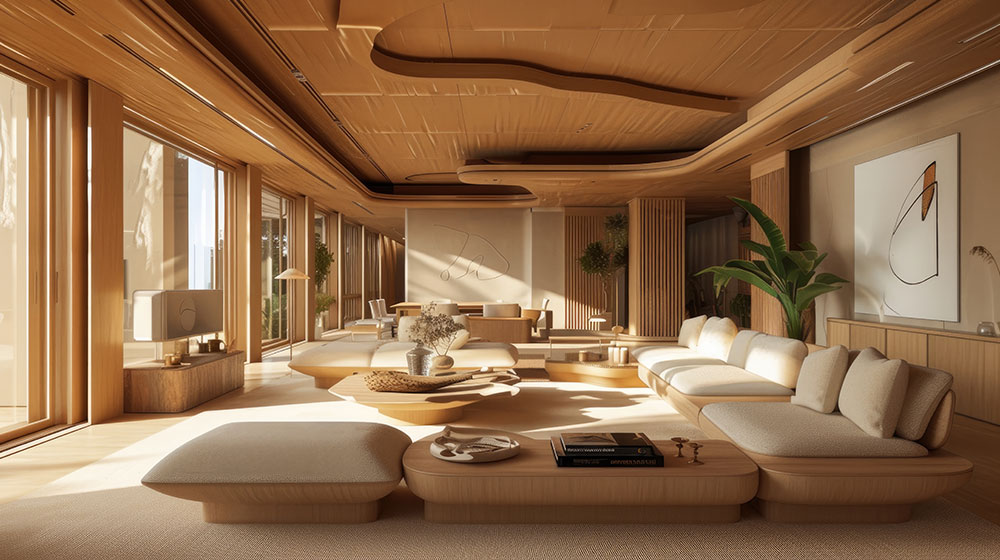
Guests often decide whether to click, book, and recommend a property before they ever arrive. Furnishings shape that decision through listing photos, perceived comfort, usable space, and the quality of the stay itself. For a Southern California property, the goal is not to fill rooms with expensive items. It is to create a coherent, comfortable setup that photographs well, works for real guests, and can handle frequent turnovers.
A well-planned furnishing approach can also reduce the downtime between guests. When furniture, linens, kitchen supplies, and replacement pieces are selected and installed as one coordinated project. Owners spend less time waiting on missing items or resolving last-minute setup problems. A documented plan makes it easier to prepare a property for its first booking and refresh it without disrupting future reservations. Furnishr notes that a DIY furnishing process can take four to eight weeks, which makes early planning especially important. Review the furnishing timeline and checklist before ordering.
Comfort and presentation influence review performance
Furniture is part of the guest experience, not just a design choice. A supportive bed, practical seating, useful surfaces, and a dining area that fits the number of advertised guests help the property feel intentional. These details reduce friction during the stay. Guests can relax, work, eat, and store their belongings without improvising around an awkward layout.
That comfort also supports stronger reviews. A well-furnished home is commonly treated as a foundation for five-star hosting because it helps meet expectations across the bedroom, living room, kitchen, and bathroom. The standard does not require luxury brands. It requires pieces that look good in photos, feel comfortable in person, and remain dependable under regular use. In turn, positive reviews can reinforce booking confidence when travelers compare similar listings.
Use every square foot strategically
Space planning matters even more in compact Los Angeles apartments and other dense Southern California markets. Multi-purpose furniture can give guests more flexibility without making the unit feel crowded. A sofa bed, an ottoman with storage, a foldable dining table, or a narrow console that doubles as a workspace can add function while preserving clear walkways. The best choices serve a real guest need and still look clean in listing photos.
Think in terms of the entire stay. Can a couple put down luggage? Can a remote worker use a laptop comfortably? Can a family share a meal without balancing plates on a sofa? These questions connect furnishing decisions to occupancy and revenue because a more functional property can appeal to more guest types and support a clearer listing promise.
Ready to make your property booking-ready? Talk with Affluent Vacays about a furnishing and management plan for your Southern California rental.
The Takeaway: Short term rental furnishing earns its keep when it reduces setup downtime, improves everyday comfort, and makes every square foot work harder for bookings and reviews.
Start With a Budget: Know What Great Furnishing Costs
A furnishing budget should do more than cover the first shopping trip. It should help you create a comfortable, photo-ready property while leaving room for delivery, installation, replacement pieces, and the small details guests notice. Start with the property's size, bedroom count, expected guest capacity, and whether you are furnishing an empty home or refreshing an existing setup.
For Southern California owners, it is also useful to budget around the experience you want to offer. A compact Los Angeles apartment may need space-saving furniture and flexible storage, while a Palm Springs home may justify more attention to outdoor seating and entertaining areas. The goal is not to buy the most expensive pieces. It is to spend deliberately on comfort, durability, and the rooms that shape the listing photos and guest experience.
Use a realistic furnishing range
Published industry estimates provide a starting point, but your final number will vary based on property condition. Furniture quality, shipping, labor, and the number of guests you plan to accommodate. Approximate ranges include:
- Small apartment: approximately $2,000-$9,000 for the core furniture, household goods, linens, and finishing touches.
- Larger property: approximately $9,000-$15,000 or more, especially when furnishing multiple bedrooms, larger living areas, and outdoor spaces.
These ranges are consistent with estimates from AirDNA's short-term rental furnishing guidance. Treat them as planning boundaries rather than a fixed quote. A lower-cost setup can still perform well when purchases are coordinated and the essentials are selected for frequent use.
Build the budget by room
Room-by-room budgeting makes overspending easier to spot. Give priority to the bedroom, living room, kitchen, and bathrooms because those areas directly affect comfort and reviews. Set a firm allowance for each room, then reserve a smaller portion for delivery, assembly, wall art, window coverings, and replacement items. If your property has a patio, balcony, or pool area, include it as its own line item rather than treating outdoor furnishings as an afterthought.
Plan a turnover reserve as well. Short-term rentals experience more frequent use than traditional long-term rentals, so upholstery, rugs, cookware, linens, and smaller decor items will eventually need refreshing. A reserve allows you to replace worn or damaged pieces quickly without delaying a booking or making a guest live with a tired-looking room.
Account for time, not just money
DIY furnishing can take approximately four to eight weeks, according to Furnishr's furnishing checklist. That timeline may include sourcing, ordering, shipping, assembly, returns, and final staging. Delays can push back photography and your launch date, so include the cost of your time when comparing a self-managed project with professional management for your rental property.
The Takeaway: Set a room-by-room furnishing budget, protect a reserve for turnover refreshes, and account for the time required to make the property genuinely guest-ready.
Design for Photography: Make Your Listing Stand Out
Guests often decide whether to click based on a handful of listing photos. Your furnishing plan therefore needs to work in two settings: it should feel comfortable in person and read clearly on a small screen. A professional photo session after furnishing is essential because even a well-designed property can look flat, dark, or cluttered when photographed poorly. Professional photography helps capture the finished space accurately for listing sites.
Build a visual thread from room to room
A consistent interior theme creates a more cohesive, professional presentation and can help attract bookings. That does not mean every room needs to look identical. Instead, choose a restrained palette and repeat a few materials, shapes, or accent colors throughout the home. This gives guests a stronger sense of the property before they arrive and makes the image gallery feel intentional rather than assembled piece by piece.
- Choose one base palette, such as warm white, sand, soft gray, or natural wood.
- Repeat two or three accent colors in pillows, artwork, rugs, and smaller decor.
- Keep sightlines open so the room's best feature is visible from the doorway.
- Use appropriately scaled furniture rather than filling every corner.
For Southern California properties, let the setting guide the details. A Santa Monica or Venice home may benefit from restrained coastal textures, blue-green accents, and artwork that suggests the ocean without becoming themed. In Palm Springs or Desert Hot Springs, warmer tones, sculptural forms, and subtle desert or palm references can reinforce the destination. Local decor should add character, not compete with the room.
Use light and outdoor living as selling points
Proper lighting supports both everyday function and the visual appeal of the listing. Layer natural light with ceiling fixtures, floor lamps, bedside lighting, and warm accent lamps so the photographer has options in every room. Open curtains, clean windows, and remove bulky objects that block a bright view. Avoid relying on one harsh overhead fixture, which can create unflattering shadows and make an otherwise inviting room feel cold.
Outdoor space deserves the same attention as the interior. Arrange a balcony, patio, or pool area as a usable extension of the home with comfortable seating. A small table, shade where appropriate, and a clear path through the space. Photograph it as a lifestyle feature, not an afterthought. Palm trees, mountain views, and seascapes should be framed naturally rather than hidden behind excessive decor.
Finally, use art and decor selectively. One large, well-placed piece often photographs better than a crowded gallery wall. Remove personal items, visible cords, excess countertop objects, and anything that makes the property look difficult to maintain. The goal is a home that feels distinctive, calm, and easy to imagine living in.
The Takeaway: Plan your short term rental furnishing around a cohesive story, bright usable spaces. And thoughtful SoCal details, then invest in photography that shows guests exactly why the property is worth booking.
Guest-Proof Materials: Durable Furniture for High Turnover
A short-term rental is used differently from a private home. Guests arrive with luggage, eat in different rooms, move furniture to suit their stay, and leave on a schedule that keeps cleaners and maintenance teams moving quickly. That higher turnover makes durability an operating decision, not simply a design preference. The goal is to create a comfortable home-like setting with materials that still look polished after repeated use.
High-end furniture is not automatically the best investment. For most listings, practical pieces that photograph well and tolerate regular use are more valuable than fragile designer items. This balance between comfort, appearance, and resilience is central to effective short term rental furnishing and management.
Choose upholstery that can handle real life
Performance fabrics are a strong starting point for sofas, dining chairs, accent chairs, and upholstered headboards. Look for tightly woven, stain-resistant materials with removable or replaceable covers where possible. Mid-tone colors and subtle patterns can hide minor marks between professional cleanings without making the room feel dark or dated.
Before buying, test how each fabric responds to spills, friction, and spot cleaning. A beautiful white boucle chair may look excellent in listing photos, but it can create frequent replacement costs in a high-use property. A textured performance fabric in a warm neutral can deliver much of the same visual appeal with less operational risk. Keep spare cushion covers or one replacement dining chair available for quick swaps when an item needs deeper attention.
Prioritize surfaces and flooring that clean quickly
Easy-clean materials reduce the time and effort required between stays. Choose sealed wood, quality laminate, durable tile, or other flooring that can tolerate frequent vacuuming and mopping. In entryways, kitchens, and dining areas, protect high-traffic zones with washable runners or low-profile rugs that do not create a tripping hazard.
- Use sealed, nonporous countertops where practical, especially around food preparation areas.
- Select tables with finishes that resist rings, scratches, and routine wiping.
- Choose rugs with low piles, secure backing, and colors that complement the listing photography.
- Add felt pads and protective glides to chairs and tables so floors and furniture move safely.
Durability does not mean sacrificing local character. In Southern California, natural textures, warm woods, and indoor-outdoor materials can support the market's relaxed lifestyle while remaining straightforward to maintain. Just make sure decorative pieces do not block walkways or create extra cleaning steps.
Protect the areas guests use most
Inspect the property from the entry to the bedroom and identify where luggage, shoes, meals, and daily traffic will concentrate. Reinforce those points with washable mats, durable seating, corner protection, and furniture layouts that leave enough room for movement. Check high-touch hardware and cabinet finishes as well, since repeated cleaning can wear down delicate coatings.
Use guest feedback and maintenance records to guide replacements. If one chair stains repeatedly or a rug needs constant repair, replacing it with a more practical alternative is often smarter than repeatedly paying for fixes.
The Takeaway: Choose comfortable, photo-ready materials that are easy to clean, repair, and replace. That approach protects your furnishing investment while keeping the property welcoming through high guest turnover.
Amenities That Turn Guests Into Five-Star Reviewers
Guests may choose a property because of its location or photos. But their review often reflects how the space felt during ordinary moments: sleeping after a long day, making breakfast, taking a shower, or settling in for the evening. Thoughtful amenities make those moments easy and comfortable. In practical short term rental furnishing, the goal is not to fill every room with expensive items. It is to provide dependable essentials that guests notice when they are missing.
Bedrooms: Make Rest the Priority
The bed is one of the highest-impact purchases in the property. High-quality mattresses, supportive pillows, and comfortable bedding are frequently mentioned in positive guest reviews, while worn linens or an uncomfortable mattress can overshadow otherwise attractive design. Use washable, durable linens that still feel inviting, and provide enough pillows for different sleeping preferences. Blackout curtains, bedside lighting, and a clear place to charge a phone can further improve the guest's first impression of the bedroom.
Keep the look simple and consistent. A well-made bed, uncluttered nightstands, and adequate storage help the room feel clean and ready rather than staged for appearance only.
Kitchen and Bathroom Essentials Guests Check First
Kitchen basics are among the items guests check most closely, especially when they book a home instead of a hotel. Stock the kitchen for realistic use, not just listing photos:
- Quality cookware, knives, cutting boards, and utensils.
- Plates, bowls, glasses, mugs, and serving pieces for the listed occupancy.
- A coffee setup, kettle, toaster, and practical food-storage containers.
- Dish soap, sponges, paper towels, and enough trash bags for the stay.
In the bathroom, prioritize bright lighting, generous towel supplies, reliable water pressure, and clean, easy-to-use fixtures. Hooks and a surface for toiletries are small details that reduce friction. Choose materials and accessories that housekeeping can clean and replenish quickly between stays.
Living Room Comfort and Modern Convenience
Comfortable lounge seating creates an inviting living room and is associated with positive reviews. Choose seating that supports actual use, with enough room for the expected guests and a layout that makes conversation easy. A durable area rug, practical side tables, and warm lighting can make the room feel finished without making it difficult to maintain.
Modern technology should be quiet but dependable. High-speed internet is essential for streaming, remote work, and mid-term guests. Add charging ports near beds and seating, simple instructions for the television and Wi-Fi, and enough outlets for everyday devices. These conveniences rarely become the headline of a review, but their absence is easy to notice.
The takeaway: Furnish for the moments guests live through, not just the photographs they browse. Comfortable bedding, complete kitchen basics, inviting seating, clean bathrooms, and reliable technology give your property the practical polish that supports five-star reviews and repeat bookings.
How Do Short-Term and Mid-Term Rentals Differ in Furnishing?
The right setup depends on how guests use the home. A vacationer may spend more time enjoying the patio, gathering around the living room, and taking in the local experience. A mid-term guest may treat the same property as a temporary home while relocating for work, completing a travel assignment, or working remotely. The furniture needs to support both patterns without making the space feel crowded or impersonal.
In Southern California, that often means treating outdoor living as a meaningful part of the floor plan. Comfortable, practical patio seating can add value for short stays. While a mid-term guest will also look for the everyday details that make several weeks or months easier: a proper desk. Useful storage, a functional kitchen, and reliable connectivity. Healthy, functional spaces and dependable high-speed internet with accessible charging ports are especially relevant to remote workers and longer-stay guests.
| Furnishing consideration. | Short-term rental (STR). | Mid-term rental (MTR). |
|---|---|---|
| Primary guest. | Vacationers, couples, families, and weekend visitors. | Corporate relocations, travel nurses, remote workers, and other temporary residents. |
| Stay length. | Typically a few nights to a short vacation. | Several weeks or months, with more day-to-day living. |
| Key furniture. | Comfortable lounge seating, attractive dining pieces, and flexible sleeping arrangements. | Residential-quality seating, a supportive bed, a practical dining area, and furniture built for longer use. |
| Workspace. | A small laptop-friendly surface may be enough. | A dedicated desk, comfortable chair, task lighting, charging access, and dependable high-speed internet. |
| Storage. | Closet and drawer space for a short visit. | Expanded closet, dresser, shelving, and room for clothing and personal belongings. |
| Kitchen. | Well-equipped basics for breakfasts, snacks, and occasional meals. | More complete cookware, food-preparation space, pantry storage, and appliances suited to regular cooking. |
| Refresh cadence. | Frequent inspections and quick replacement of worn or damaged items between stays. | Routine maintenance, with periodic refreshes based on wear, guest feedback, and longer occupancy cycles. |
That does not mean an MTR should look like a stripped-down corporate apartment, or that an STR should sacrifice comfort for photography. Functional, accessible spaces matter to modern guests in either model. The difference is how much of the home must work for daily routines. A sofa that looks inviting in listing photos is important for an STR. But it should also be comfortable enough for an MTR guest who uses it every evening. Likewise, a stylish kitchen should still offer enough counter space and equipment for someone preparing meals week after week.
A hybrid plan can make these choices work together. Use durable, visually appealing core furniture, then add flexible pieces such as an extendable dining table. A desk that can double as a console, and storage that remains easy to access. Affluent Vacays applies this thinking through a hybrid STR and MTR strategy, matching the furnishing plan to the property's likely guest mix and seasonal demand.
The Takeaway: Furnish for the guest's routine, not just the listing photo. STRs need lifestyle appeal and easy turnover, while MTRs require work-ready spaces, deeper storage, and everyday kitchen functionality. A flexible design can support both revenue models without compromising comfort.
Still deciding on the right furnishing plan for your property? Call or contact Affluent Vacays to talk through your options.
Frequently Asked Questions
What are the essential items to furnish a short-term rental?
Start with a comfortable mattress, quality pillows and linens, functional seating, a well-equipped kitchen, bathroom basics, adequate lighting, and reliable Wi-Fi. Add practical touches such as charging access, blackout window coverings, luggage space, and clear storage. Every item should support comfort, easy turnover, or a smoother arrival.
How do I balance style and durability when furnishing a rental?
Choose a consistent design direction, then select commercial-grade or easy-care materials where guests create the most wear. Performance upholstery, washable rugs, resilient finishes, and replaceable accessories can protect the property without making it feel institutional. Prioritize comfort and clean lines over fragile statement pieces that are difficult to maintain.
How can I make my short-term rental stand out in online photos?
Use a cohesive palette, layered lighting, uncluttered surfaces, and a few location-appropriate accents that give the home a Southern California feel. Arrange furniture to show how guests can relax, dine, or work. Once the property is furnished and staged, use professional photography to capture the layout, natural light, and outdoor living areas accurately.
What technology should be included in a short-term rental?
Reliable high-speed internet is important for vacationers and remote workers, while accessible charging ports reduce everyday friction. Keyless entry can simplify arrivals, and appropriate noise-monitoring and security systems can support responsible operations. Keep controls simple, provide clear instructions, and test every device between stays.
Ready to Furnish Your Southern California Rental?
A well-furnished property should look inviting, hold up to regular turnover, and support the experience you want guests to remember. Affluent Vacays can help you make practical furnishing decisions that fit your property, target guests, and short-term or mid-term rental strategy. Schedule a free consultation about furnishing and managing your Southern California short-term rental.